
Quick Answer
Anthropic Accidentally Leaked Claude Code on GitHub: Understanding the Source Code Leak Are you concerned about the security of your AI projects after the recent Anthropic incident? Understanding the implications of source code leaks and adopting best practices for secure coding is crucial for safeguarding your innovations. This article breaks down what happened, how it affects AI coding, and what steps you can take to protect your codebase.
Anthropic Accidentally Leaked it’s Own Claude Source Code
Anthropic Accidentally Leaked Claude Code on GitHub: Understanding the Source Code Leak Are you concerned about the security of your AI projects after the recent Anthropic incident? Understanding the implications of source code leaks and adopting best practices for secure coding is crucial for safeguarding your innovations. This article breaks down what happened, how it affects AI coding, and what steps you can take to protect your codebase.
Anthropic Accidentally Leaked Claude Code on GitHub: Understanding the Source Code Leak
Are you concerned about the security of your AI projects after the recent Anthropic incident? Understanding the implications of source code leaks and adopting best practices for secure coding is crucial for safeguarding your innovations. This article breaks down what happened, how it affects AI coding, and what steps you can take to protect your codebase.
Key Takeaways
- The accidental Anthropic code leak on GitHub exposed internal source code, raising concerns about security vulnerabilities.
- Secure coding practices are vital for mitigating risks associated with source code leaks, including unauthorized access and malicious modifications.
- Debugging strategies post-leak are essential for identifying and resolving potential issues stemming from the exposed code.
- The AD Leaf Marketing Firm can provide expert guidance and solutions for securing your AI projects and ensuring data protection.
What Happened with the Claude Code Leak?
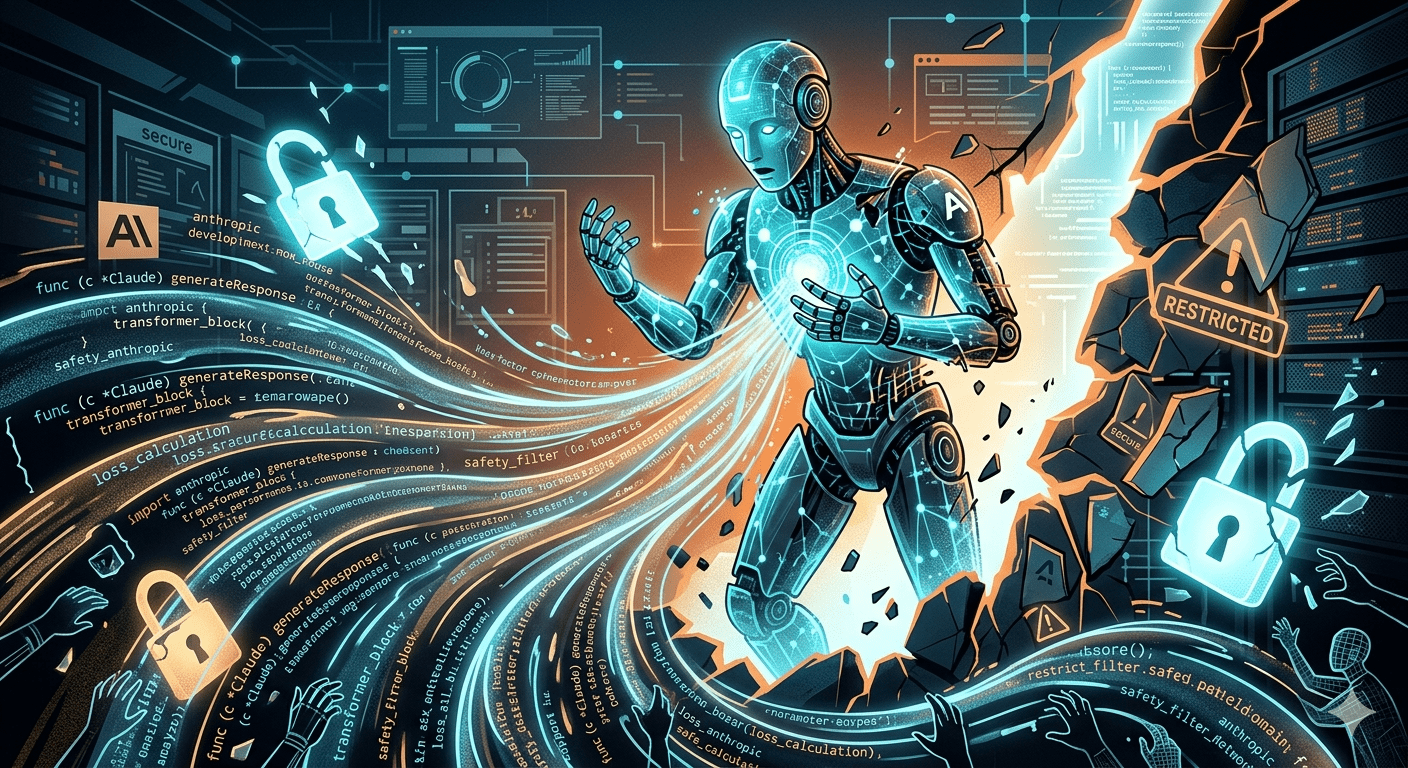
The AI community was recently shaken by the news that Anthropic accidentally leaked Claude code on GitHub. This incident brought the critical issue of source code security to the forefront, highlighting the potential risks and implications when internal code becomes publicly accessible. The inadvertent exposure of even a small segment of code can have far-reaching consequences.
Overview of the Incident
The Anthropic incident involved the exposure of internal source code, specifically related to their Claude AI model, on the GitHub platform. The source code leak was a result of an internal oversight. This incident is a stark reminder of the vulnerabilities inherent in software development and the importance of robust security protocols. Understanding the specifics of the incident is crucial for preventing similar occurrences in the future.
Details of the Source Code Leak
The details of the source code leak reveal that lines of code from Anthropic’s Claude code ended up in a public repository (repo) on GitHub. Internal source code was exposed due to the accidental bundling of internal components. The leaked code included elements related to the AI model’s architecture and functionalities, raising concerns about potential misuse. The code leak incident was swiftly addressed by Anthropic through a takedown notice.
Implications of the Leak on the AI Community
The implications of the leaked code on the AI community are significant. Such incidents can lead to security breaches, where malicious actors exploit vulnerabilities in the exposed code. Moreover, the incident raises concerns about intellectual property and the potential for others to replicate or reverse-engineer the technology. The open source community is now scrutinizing coding practices more intensely.
How Does This Leak Affect AI Coding Practices?
The accidental code leak has prompted a re-evaluation of AI coding practices. It underscores the necessity for stringent security measures and protocols to safeguard sensitive source code. AI developers must adopt more robust coding methodologies and implement comprehensive security audits to mitigate the risk of future leaks. The Claude code leak serves as a case study for securing codebases.
Risks Associated with Source Code Leaks
The risks associated with source code leaks are multifaceted. Exposed source code can be exploited by malicious actors to uncover vulnerabilities, leading to security breaches and data theft. Additionally, competitors can gain unauthorized insights into proprietary algorithms and technologies, eroding competitive advantages. Protecting AI models is paramount in today’s environment with active Claude code users.
Best Practices for Secure Coding
Implementing best practices for secure coding is essential in mitigating the risks associated with source code leaks. This includes employing robust access controls, regularly auditing code for vulnerabilities, and encrypting sensitive data. Furthermore, developers should adopt secure coding methodologies and conduct thorough code reviews to identify potential weaknesses. Rewriting Claude code to have security in mind is becoming standard practice.
Debugging Strategies Post-Leak
Debugging strategies post-leak are critical for identifying and resolving potential issues stemming from the exposed code. This involves conducting thorough code audits to detect any vulnerabilities or backdoors that may have been introduced. It also entails monitoring systems for suspicious activity and implementing security patches to address any identified weaknesses. The entire codebase was downloaded during the Anthropic incident.
What Are the Key Features of Claude Code?
Understanding Claude Code’s Architecture
Understanding the architecture of Claude code is essential to appreciate its capabilities and potential vulnerabilities. The architecture encompasses various components, including the model’s underlying algorithms, data processing pipelines, and security protocols. A detailed examination of Claude code’s architecture reveals insights into its strengths and weaknesses. It’s imperative to analyze the full architecture in light of the Anthropic incident. The internal source code should have never been leaked.
Lines of Code Breakdown
Analyzing the lines of code breakdown can provide valuable insights into the codebase’s complexity and functionality. By examining specific segments of code, developers can identify potential vulnerabilities, debug errors, and optimize performance. The amount of leaked code on GitHub is unknown but has been mirrored across GitHub already. Understanding the coding structure is crucial for debugging and securing the application, especially after a code leak incident.
Comparison with Other AI Models
Comparing Claude code with other AI models sheds light on its unique features and capabilities. By contrasting its architecture, algorithms, and performance metrics with those of other models, developers can assess its strengths and weaknesses. This comparison can inform decisions about model selection, deployment, and optimization. One could compare the leaked code to OpenAI’s models. A full architecture review is needed.
How Can Developers Respond to Code Leaks Effectively?
Steps to Take After a Source Code Leak
After a source code leak, developers must take immediate and decisive action to mitigate potential risks. These critical steps often include:
- Conducting a thorough security audit to identify vulnerabilities.
- Implementing security patches to address any identified weaknesses.
- Monitoring systems for suspicious activity.
It’s crucial to act quickly to prevent unauthorized access and data breaches. A takedown notice will probably be issued.
Utilizing npm and Bundles for Secure Development
Utilizing npm and bundles for secure development can enhance the security and integrity of your codebase. By leveraging npm’s package management capabilities, developers can ensure that dependencies are up-to-date and free from vulnerabilities. Bundles can also be used to minimize the risk of accidentally bundling sensitive information into the build. The entire codebase was downloaded during the Anthropic incident. Rewriting Claude code to have security in mind is becoming standard practice.
Engaging with the Community for Support
Engaging with the community for support can provide valuable assistance in addressing the challenges posed by source code leaks. The open source community is full of coders. By sharing information, collaborating on solutions, and seeking advice from experienced developers, you can leverage the collective knowledge and expertise of the community to strengthen your security posture. This also allows for open source repos for security purposes.
Key Takeaways from the Claude Code Leak Incident
Understanding the Importance of Code Security
The Anthropic incident serves as a reminder of the critical importance of source code security in AI development. A seemingly minor code leak can expose vulnerabilities that malicious actors could exploit. Therefore, prioritizing security in coding practices is essential for protecting intellectual property and maintaining user trust. The codebase must be treated as a valuable asset.
Recognizing the Impact on AI Development
The impact of the Claude code leak extends beyond immediate security concerns. It can also affect the long-term trajectory of AI development by influencing coding practices, security protocols, and regulatory frameworks. The incident has led to increased scrutiny of AI models and a greater emphasis on responsible AI development. Rewritten Claude code will need to be assessed to avoid further incidents.
Best Practices for Future Prevention
To prevent future source code leaks, organizations must implement robust security measures across all stages of the software development lifecycle. This includes adopting secure coding practices, conducting regular security audits, and implementing strict access controls. Additionally, engaging with the open source community for support and collaboration can help identify and address potential vulnerabilities. The code needs to be further analyzed.
Frequently Asked Questions | The AD Leaf Marketing Firm
What specific Claude AI features were compromised in the GitHub incident?
Although the exact lines of code exposed have not been publicly itemized, reports indicate that critical sections of Anthropic’s Claude code, including architecture and operational features, were part of the leak. This exposure risks reverse engineering and unauthorized usage.
What immediate steps should AI developers take after a source code leak like Anthropic’s?
After a leak, it’s crucial to take immediate action. Experts recommend a multi-faceted approach, including:
- Conducting a comprehensive security audit.
- Prioritizing patching vulnerabilities, and monitoring for suspicious activity.
Furthermore, change all API keys and tokens, and inform users about potential risks. An Anthropic spokesperson gave similar advice to the affected parties.
How can The AD Leaf Marketing Firm assist in securing AI projects after a code leak?
The AD Leaf Marketing Firm offers advanced cybersecurity services, including source code reviews, vulnerability assessments, and incident response planning. We help secure your AI infrastructure and protect your innovations from future breaches. Look to The AD Leaf as your marketing partner to assist with the topic of the article.
Are open source AI projects more or less vulnerable to leaks than proprietary ones?
Open source projects benefit from community oversight, which can quickly identify and fix vulnerabilities. However, they are also publicly accessible, meaning vulnerabilities are more readily discovered by malicious actors. Proprietary projects may have fewer eyes on the code but can implement stricter access controls.
What legal recourse does a company like Anthropic have when its source code is leaked?
Companies can issue takedown notices under the Digital Millennium Copyright Act (DMCA) to remove the leaked code from platforms like GitHub. They can also pursue legal action against individuals or entities that misuse the code or contribute to its distribution. A takedown notice was sent due to the code leak.
How does the Anthropic incident compare to other high-profile source code leaks, such as those at OpenAI?
Each source code leak varies in scope and impact, but they all underscore the critical need for robust security measures. The Anthropic incident highlights the potential for accidental leaks, while others may involve deliberate breaches or insider threats. The security breach is always a major concern for the company involved.
What should I do if my code is leaked?
Here’s how to respond if your source code is leaked. Act swiftly and take the following steps:
- Immediately conduct a thorough security audit to identify and patch any vulnerabilities.
- Change all API keys and tokens to prevent unauthorized access.
- Monitor your systems for suspicious activity and inform your users about the potential risks.
A takedown notice might be necessary, if copyrighted Claude code is involved.
How can I prevent my source code from being leaked?
Preventing source code leaks requires a multi-faceted approach. Implement secure coding practices, such as input validation and output sanitization. Use robust access controls to limit who can access your code. Regularly conduct security audits and penetration testing. Consider using feature flags to control access to sensitive features. Review code with a fresh set of eyes. The coding community can help find leaks.
What are the legal implications of a source code leak?
The legal implications of a source code leak can be significant. Depending on the nature of the code and the circumstances of the leak, you may face legal action from copyright holders, customers, or regulatory bodies. You could be liable for damages resulting from the leak, such as data breaches or intellectual property theft. A coding agent should be employed to review the source code and prevent leaks.
What tools can help protect my code?
Several tools can help protect your code from leaks and vulnerabilities. Static analysis tools can identify potential security flaws in your codebase. Dynamic analysis tools can detect vulnerabilities during runtime. Code obfuscation tools can make it more difficult for attackers to reverse engineer your code. These tools can help stop Claude from leaking internal secrets and rewritten Claude code.
How does a source code leak affect my business?
A source code leak can have severe consequences for your business. It can damage your reputation, erode customer trust, and expose you to financial losses. Competitors may be able to reverse engineer your technology, giving them an unfair advantage. A security breach can disrupt your operations and lead to costly legal battles. Make sure all code is safe.
Can The AD Leaf Marketing Firm assist with securing my code?
Yes, The AD Leaf Marketing Firm offers comprehensive cybersecurity services to help you secure your code and protect your business. We can conduct source code reviews, vulnerability assessments, and penetration testing to identify potential weaknesses. We also provide incident response planning and training to help you prepare for and respond to security incidents. We can also assess the damage caused by the code.
Key Takeaways
- Anthropic Accidentally Leaked Claude Code on GitHub: Understanding the Source Code Leak Are you concerned about the security of your AI projects after the recent Anthropic incident?
- Understanding the implications of source code leaks and adopting best practices for secure coding is crucial for safeguarding your innovations.
- This article breaks down what happened, how it affects AI coding, and what steps you can take to protect your codebase.
- Key Takeaways The accidental Anthropic code leak on GitHub exposed internal source code, raising concerns about security vulnerabilities.
- Secure coding practices are vital for mitigating risks associated with source code leaks, including unauthorized access and malicious modifications.
Step-by-Step Guide
- 1. Conducting a thorough security audit to identify vulnerabilities.
- 2. Implementing security patches to address any identified weaknesses.
- 3. Monitoring systems for suspicious activity.
