ai virtual receptionist, ai phone answering service

AI Reasoning vs. Human Logic: Why You Shouldn’t Fire Your Marketing Team

AI Reasoning vs. Human Logic: Understanding the Core Differences & Why You Shouldn’t Fire Your Marketing Team

While AI offers immense potential to streamline processes and uncover insights, understanding its true capabilities and limitations in comparison to human reasoning is crucial for making informed decisions and finding a sustainable path to growth. This article will help clarify the distinctions between AI and human intelligence, enabling you to leverage technology wisely and empower your marketing team for unprecedented success.

What are the Key Differences Between AI and Human Reasoning?

Understanding AI Reasoning and Its Mechanisms

AI reasoning primarily operates on algorithms and vast datasets, excelling at pattern recognition and data processing. An AI system, whether it’s a deep learning model or a more traditional AI, learns from its training data to make predictions or classifications. This allows AI to perform tasks like image recognition or language translation with remarkable speed and accuracy, but it fundamentally differs from human intelligence.

Aspect AI Reasoning
Mechanism Algorithms and vast datasets
“Understanding” Statistical, based on identifying correlations
Core Strengths Pattern recognition, data processing, speed, accuracy

Human Intelligence: A Unique Approach to Problem Solving

Human intelligence involves a complex interplay of experience, emotion, intuition, and abstract thought. Our reasoning ability allows us to understand context, adapt to novel situations, and engage in creative problem-solving in ways that current AI cannot replicate. The ability to empathize, strategize based on ambiguous information, and innovate truly sets human capabilities apart, particularly in dynamic fields like marketing where understanding consumer psychology is paramount.

Aspect of Human Intelligence Key Capability
Contextual Understanding Adapting to novel situations
Creative Problem-Solving Empathy and strategizing with ambiguous information

This makes the partnership of AI and human intelligence so powerful.

The Role of Bias in AI and Human Decision Making

Both AI and human decision-making are susceptible to bias, though their origins differ. Recognizing and mitigating these biases is crucial for effective marketing strategies.

Type of Bias Origin
AI Bias Typically stems from the training data itself; if the dataset reflects historical prejudices or skewed information, the AI output will inherit and perpetuate these biases. For example, if an AI system is trained on unrepresentative marketing data, its recommendations might inadvertently exclude certain demographics.
Human Cognitive Biases Arise from our psychological shortcuts, past experiences, and emotional responses, which can also lead to suboptimal decisions.

How Does Generative AI Compare to Traditional AI?

Key Features of Generative Models

Generative AI, exemplified by large language models (LLMs) like ChatGPT, represents a significant leap from traditional AI by creating new content rather than just analyzing existing data. These generative models are trained on massive text datasets and can generate human-like text, images, or even code. The architecture of these LLMs allows them to predict the next word or pixel in a sequence, leading to incredibly coherent and creative output. Generative AI excels in content creation, brainstorming, and drafting initial marketing copy, demonstrating a powerful new facet of artificial intelligence.

Weaknesses of Generative AI in Marketing

Despite their impressive capabilities, generative AI models like ChatGPT have notable weaknesses in marketing applications. They often lack real-world understanding and common sense, which can lead to factual inaccuracies or “hallucinations” in their output. Furthermore, while they can generate creative content, they struggle with truly original strategic thinking, understanding nuanced market sentiment, or adapting to rapidly changing human emotions. Relying solely on generative AI doesn’t account for the critical, context-specific insights that human experts bring to a marketing campaign.

Advantages of Traditional AI in Business

Traditional AI, encompassing algorithms for classification, regression, and optimization, offers distinct advantages in business, particularly in areas requiring precision and structure. These AI models excel at tasks like predictive analytics, customer segmentation, fraud detection, and inventory management, where accuracy based on historical data is paramount. Unlike generative AI, traditional AI is often more interpretable, allowing businesses to understand why certain decisions or predictions are made. In marketing, traditional AI is invaluable for optimizing ad spend, personalizing recommendations based on past behavior, and analyzing campaign performance metrics reliably.

Why Is Human Intelligence Still Essential in the Age of AI?

The Importance of Emotional Intelligence in Marketing

Emotional intelligence remains a critical domain where human intelligence far surpasses current AI capabilities, particularly in marketing. Understanding the nuanced emotions of target audiences, empathizing with their pain points, and crafting messaging that truly resonates requires a level of human cognition that AI systems simply cannot replicate. While AI can analyze sentiment from text, it lacks the real-world understanding and intuitive grasp of human feelings necessary to build deep, meaningful connections with consumers. This human ability is essential for developing impactful brand narratives and fostering customer loyalty.

Creative Thinking: A Domain Where Humans Excel

Creative thinking is another crucial area where human reasoning continues to be indispensable, especially in the dynamic field of marketing. While generative AI models like ChatGPT can produce novel content and even suggest innovative ideas based on its training data, its creativity is ultimately derivative, stemming from patterns it has learned. True human creativity involves breaking existing patterns, conceiving entirely new concepts, and adapting to unforeseen market shifts with original thought. The ability to conceptualize truly groundbreaking campaigns and develop unique strategies still firmly resides within human capabilities.

How AI and Human Teams Can Collaborate Effectively

The most effective marketing strategies emerge from a synergistic collaboration between AI and human teams, leveraging the strengths of both. AI excels at data analysis, pattern recognition, and automating repetitive tasks, providing valuable insights and freeing up human experts for more strategic work. Human intelligence, with its capacity for emotional intelligence, creative thinking, and nuanced understanding of context, then interprets these insights, adds a layer of empathy, and crafts truly impactful campaigns. This “AI and human” partnership ensures that campaigns are data-driven yet deeply human-centric, optimizing both efficiency and effectiveness.

What Are the Implications of AI Models on Marketing Teams?

AI Models’ Impact on Marketing Strategies

The integration of advanced AI models profoundly impacts contemporary marketing strategies by automating numerous processes and uncovering intricate patterns within vast datasets. While AI excels at tasks such as predictive analytics, personalized content delivery, and optimizing ad spend, it redefines the role of human marketers. Instead of replacing human intelligence, AI systems augment our capabilities, allowing marketing teams to focus on higher-value activities like strategic planning, creative direction, and fostering authentic customer relationships. This shift means marketing strategies become more data-driven, efficient, and targeted, yet still require a human touch for true resonance.

How to Integrate AI Without Displacing Your Team

Successfully integrating AI into your marketing operations without displacing your team involves strategic planning and upskilling. Focus on leveraging AI models to automate repetitive tasks, allowing human experts to concentrate on creative and strategic initiatives that require nuanced understanding and emotional intelligence. Provide comprehensive training for your team on how to effectively utilize AI tools, interpret their output, and collaborate with AI systems. Emphasizing the “AI and human” partnership ensures that AI becomes a powerful assistant, enhancing productivity and innovation rather than a replacement for valuable human talent and expertise.

Case Studies: Successful AI-Human Collaborations

Numerous case studies highlight the success of AI and human collaborations in marketing. For instance, a major e-commerce brand used traditional AI for customer segmentation and personalized product recommendations, while human marketers crafted emotionally resonant campaigns based on these insights, resulting in a 20% increase in conversion rates. Another example involves a content agency employing generative AI models like ChatGPT for drafting initial content outlines and social media captions, freeing up human writers to refine, add unique voice, and ensure factual accuracy and creative impact. These examples underscore how AI enhances, rather than diminishes, human capabilities.

Conclusion: Embracing Both AI and Human Intelligence in Marketing

Key Takeaways from AI vs. Human Reasoning

The core differences between AI and human reasoning are fundamental: AI excels in pattern recognition and data processing using algorithms and training data, while human intelligence offers unique advantages in emotional intelligence, creative thinking, and contextual understanding. Generative AI models, while capable of creating new content, lack real-world understanding and common sense, which is where human experts provide invaluable input. Effective marketing strategies therefore emerge from a powerful “AI and human” collaboration, where AI handles data-heavy tasks, and humans provide the strategic, empathetic, and creative direction.

How to Position Your Marketing Team for Success

To position your marketing team for enduring success in the age of AI, prioritize continuous learning and skill development. Encourage your team to become proficient in leveraging various AI models and tools, understanding their strengths and limitations. Foster an environment where collaboration between human intelligence and artificial intelligence is seen as a cornerstone of innovation. By focusing on critical thinking, creative problem-solving, and emotional intelligence, your team can evolve into strategic partners with AI, ensuring they remain indispensable in driving impactful and human-centric marketing campaigns.

Why The AD Leaf Marketing Firm is Your Best Partner

Navigating the complex landscape of AI and human intelligence in marketing requires expert guidance. The AD Leaf Marketing Firm is your ideal partner, specializing in scalable, results-driven digital and AI marketing solutions for businesses of all sizes. We excel at integrating advanced AI systems to optimize your marketing efforts while ensuring your human team’s unique strengths are amplified, not overshadowed. Our comprehensive approach guarantees that your marketing strategies are not only data-driven and efficient but also deeply human-centric, helping you achieve measurable growth and sustained success.

Frequently Asked Questions

How does AI reasoning differ from human reasoning in marketing?

AI reasoning in marketing primarily operates on algorithms and vast training data, excelling at pattern recognition, predictive analytics, and automating tasks. In contrast, human reasoning involves abstract thought, emotional intelligence, intuition, and an understanding of nuanced context, allowing marketers to interpret complex consumer behavior, develop truly creative strategies, and adapt to unforeseen market shifts. While AI excels at data processing, human intelligence grasps the emotional and social underpinnings of marketing.

Can generative AI replace traditional marketing teams?

No, generative AI, including powerful LLMs like ChatGPT, cannot fully replace traditional marketing teams. While generative AI excels at content creation, brainstorming, and drafting initial copy, it lacks real-world understanding, emotional intelligence, and the capacity for truly original strategic thinking. Human experts are indispensable for understanding nuanced market sentiment, adapting to dynamic situations, ensuring factual accuracy, and developing brand voice. The most effective approach involves an “AI and human” collaboration, where AI augments human capabilities rather than replaces them.

What are the strengths of human intelligence in the marketing field?

Human intelligence possesses several unique strengths in the marketing field that current AI cannot replicate. These include emotional intelligence, creative thinking, strategic foresight, and ethical judgment. Human ability to build genuine relationships and understand cultural nuances remains paramount for successful, impactful marketing strategies that resonate on a deeper level.

How can AI improve marketing outcomes without replacing human roles?

AI can significantly improve marketing outcomes without replacing human roles by acting as a powerful assistant and data analysis tool. AI excels at automating repetitive tasks, identifying complex patterns in large datasets, personalizing content at scale, and optimizing campaign performance through predictive analytics. This frees up human marketing teams to focus on higher-level strategic planning, creative development, fostering customer relationships, and interpreting AI-generated insights with their unique emotional intelligence and contextual understanding. The key is to establish an “AI and human” partnership, leveraging the strengths of both.

What are the best practices for integrating AI in marketing strategies?

Best practices for integrating AI in marketing strategies include starting with clear objectives, identifying specific tasks where AI excels, and investing in continuous training for your team to effectively use AI tools. Prioritize an “AI and human” collaborative approach, ensuring human oversight and interpretation of AI output. Focus on ethical AI use, mitigating bias, and regularly evaluating AI model performance. The AD Leaf Marketing Firm can assist in developing a tailored integration plan that maximizes AI’s benefits while empowering your human team.

Why should businesses not fire their marketing teams in the AI era?

Businesses should not fire their marketing teams in the AI era because human intelligence brings indispensable qualities that AI cannot replicate. While AI excels at data processing and automation, human marketers provide emotional intelligence, creative thinking, strategic foresight, and nuanced understanding of brand values and customer relationships. The “AI and human” partnership is far more powerful than either operating in isolation, allowing for data-driven efficiency combined with genuine human connection and innovative strategy. A strong marketing team, empowered by AI, is crucial for sustained growth and authentic brand building.

Summer Slowdown Blues? Turn It Into a Profitable Advantage!

Summer Slowdown Blues? Turn It Into a Profitable Advantage!

The summer season can mean a significant drop in revenue for a lot of business, while there are some industries that thrive in the summertime, you may be looking at this season with dread. The Summer Slowdown is real and many companies are affected by it. Well, we’ll look at some things you can do in order to turn the summer slowdown blues into a summer of smiles.

Is Your Business Affected by the Summer Slowdown?

If your sales take a major hit during the summer, now is the time to make & implement a plan to weather the “summer sales storm”. As a business owner, you want to know how to combat the seasonal income fluctuations. These are a few of the priorities to look at implementing to help you maximize the time and also continue to bring in leads & sales.

Have a Social Media Contest

Setting up a social media contest is an excellent strategy to generate buzz during a sluggish period in the sales cycle of a summer slowdown. A social media giveaway is not only a terrific method to engage customers & increase page visits, but it also builds goodwill for your company. Incorporate the summer season into your contest while tailoring it to reflect the type of business you run for the best outcomes.

For example, clothing retailers can run a contest for viewers with a “best caption wins” photo of a branded product. While a resort business can off a discount for a “throw back then & now” contest where people can submit a video of themselves now that leads up to taking a still shot of the “now” recreating the “then” photo; these have been very popular recently on social media.

Because Facebook & Instagram are popular year-round, company owners can be sure that social media posts will help them reach a larger audience and, perhaps, increase sales.

Don't Cut Prices, Add Value

When sales are slow during the summer, business are inclined to lower their prices on many products. Unfortunately, lowering your prices also lowers your company’s profitability during the summer slowdown. Rather than selling items for less than they’re worth in order to save on costs, increase the realized value of your products & services to persuade customers to buy.

For instance, with a total purchase of $30 or more at a sporting goods store, you can choose to give free branded items such as gym bags or water bottles. These branded free gifts are not only effective marketing tools, but they also increase customer loyalty and returning customer purchases.

Partner With Another Business

Partnering with another company can be a wonderful strategy for both sides to increase revenue. You might want to try working with companies that are busy during the summer months, like a travel agency or a tour guide business, because people are typically ready to travel during the hot summer months.

Customers that spend $25 at your business can receive a $25 credit from your partner and vise versa. These deals not only encourage customers to visit both businesses, but they also provide each company with exposure to a demographic it may not otherwise reach in the summer slowdown season.

Brand Refresh or Update

Maybe it’s time to refresh or update your brand. You’ve been around for a while now, and you usually want to review your brand every 2-4 years. This doesn’t necessarily mean that you have to do a complete overhaul of your brand identity, it could be just a slogan or tagline change, a revamped logo, or even only updating the brand colors.

You can post a social media poll or ask what followers love or not love about your brand and take notes and cues if it’s time for a refresh or update. This can also be incorporated with the before mentioned social media contest where people can submit suggestions and the winner chosen that has their design or suggestion incorporated gets a valued prize.

It’s a good idea to check and update your branding on a regular basis to ensure that it aligns with both your company’s objective and the requirements and concerns of your target market.

Always Stay Positive

As a business owner, you set the tone & pace for your employees and company. Even though the term “summer slowdown” is a well known phrase and season, you want to avoid using terms like “slump” or “slowdown”. Keep a positive outlook and plan summer activities for your staff to readjust everyone’s focus and increase your team’s confidence.

Conquer Your Summer

Here at The AD Leaf, we can help you adjust and navigate the summer months in order to come out ahead. Minimize the summer stress and maximize your summer profits; be ready for a stronger post summer season going into the Fall holiday season. Connect with us by phone at 321-255-0900 or email info@theadleaf.com, so we can get you going in the right direction to conquer your summer.

10 Ways Small Businesses Can Use AI to Boost Growth and Efficiency

10 Ways Small Businesses Can Use AI to Boost Growth and Efficiency

In today’s rapidly evolving digital landscape, artificial intelligence (AI) is no longer reserved for large enterprises with massive budgets. Small businesses now have access to powerful, affordable AI tools that can transform operations, increase efficiency, and drive measurable growth.

From automating repetitive tasks to delivering personalized customer experiences, AI empowers small businesses to compete at a higher level—without dramatically increasing overhead.

This guide explores 10 high-impact ways small businesses can use AI, along with actionable strategies for implementation, real-world applications, and best practices for maximizing ROI.

How Small Businesses Can Implement AI Effectively

Understanding the Basics of AI Technology

Artificial intelligence refers to systems that can analyze data, learn patterns, and make decisions with minimal human intervention. Core components include:

  • Machine Learning (ML): Learns from historical data to predict outcomes
  • Natural Language Processing (NLP): Enables chatbots, voice assistants, and text analysis
  • Predictive Analytics: Forecasts trends based on data patterns
  • Automation Algorithms: Replace manual, repetitive processes

For small businesses, the focus should be on practical application, not technical complexity. The goal is to use AI to save time, reduce costs, and improve decision-making.

Choosing the Right AI Tools for Your Business

Selecting the right tools is critical. Focus on solutions that:

  • Solve a specific operational problem
  • Integrate with existing systems (CRM, website, POS)
  • Offer scalability as your business grows
  • Provide ease of use and onboarding support

Common entry-level AI tools include:

  • Chatbots for customer service
  • Email marketing automation platforms
  • CRM systems with AI insights
  • Inventory forecasting software

Steps for Successful AI Implementation

  1. Identify inefficiencies or bottlenecks
  2. Define clear KPIs (time saved, revenue growth, etc.)
  3. Start with one use case (pilot program)
  4. Train your team on tool usage
  5. Track performance and optimize continuously

Businesses that take a phased approach see faster adoption and stronger ROI.

What Are the Benefits of Using AI in Business?

Enhancing Customer Experience

AI allows businesses to deliver personalized, real-time interactions at scale. Examples include:

  • Chatbots providing instant support
  • Product recommendations based on browsing behavior
  • Automated follow-ups and reminders

This level of responsiveness improves:

  • Customer satisfaction
  • Retention rates
  • Conversion rates

Increasing Efficiency Through Automation

AI eliminates time-consuming manual tasks such as:

  • Data entry
  • Appointment scheduling
  • Invoice processing
  • Lead routing

This allows teams to focus on:

  • Revenue-generating activities
  • Strategic planning
  • Customer relationship building

Data-Driven Decision Making

AI transforms raw data into actionable insights. Instead of guessing, businesses can:

  • Identify top-performing products/services
  • Predict customer behavior
  • Optimize pricing strategies
  • Improve marketing ROI

10 Practical Ways Small Businesses Can Use AI

1. AI-Powered Customer Service (Chatbots & Virtual Assistants)

AI chatbots can handle:

  • FAQs
  • Appointment booking
  • Order tracking
  • Lead qualification

Impact:

  • 24/7 availability
  • Reduced support costs
  • Faster response times

2. Smart Marketing Automation

AI enhances marketing by:

  • Segmenting audiences automatically
  • Personalizing email campaigns
  • Optimizing ad targeting in real-time

Result: Higher engagement and conversion rates with less manual effort.

3. Predictive Analytics for Sales Growth

AI analyzes past behavior to predict:

  • Which leads are most likely to convert
  • When customers are ready to buy
  • Which products will perform best

This allows for proactive sales strategies instead of reactive ones.

4. Content Creation and Optimization

AI tools can assist with:

  • Blog writing
  • Social media captions
  • Ad copy
  • SEO optimization

Small businesses can maintain a consistent content strategy without a large marketing team.

5. AI-Driven SEO Strategy

AI helps improve search visibility by:

  • Identifying keyword opportunities
  • Analyzing competitor content
  • Optimizing on-page SEO
  • Structuring content for AI search results (AEO)

This is critical as search behavior shifts toward AI-generated answers and voice search.

6. Inventory Management and Demand Forecasting

AI systems analyze:

  • Historical sales data
  • Seasonal trends
  • Customer demand patterns

Benefits:

  • Reduced overstock and stockouts
  • Improved cash flow
  • Better supply chain efficiency

7. Automated Financial Management

AI tools can streamline:

  • Bookkeeping
  • Expense tracking
  • Fraud detection
  • Financial forecasting

This reduces human error and provides real-time financial visibility.

8. AI in Hiring and HR Processes

AI can assist with:

  • Resume screening
  • Candidate matching
  • Interview scheduling
  • Employee performance tracking

This shortens hiring cycles and improves candidate quality.

9. Personalized Customer Experiences

AI enables hyper-personalization by analyzing:

  • Purchase history
  • Website behavior
  • Engagement patterns

Examples include:

  • Personalized product recommendations
  • Dynamic website content
  • Targeted promotions

10. Business Process Automation

AI can streamline entire workflows, including:

  • Lead management pipelines
  • CRM updates
  • Internal communications
  • Reporting and analytics

This creates a more agile and scalable business operation.

How AI Technology Transforms Business Processes

Automating Repetitive Tasks

AI reduces the need for manual intervention in routine operations. This leads to:

  • Increased productivity
  • Lower labor costs
  • Faster execution

Machine Learning Applications in Business

Machine learning continuously improves performance by learning from data. Common applications include:

  • Sales forecasting
  • Customer churn prediction
  • Risk analysis

Over time, systems become more accurate and valuable.

AI-Powered Analytics for Competitive Advantage

AI analytics tools provide:

  • Real-time dashboards
  • Predictive insights
  • Performance benchmarking

Businesses can make faster, smarter decisions with confidence.

Challenges of Using AI in Small Businesses

Overcoming Resistance to Adoption

Common concerns include:

  • Fear of job replacement
  • Lack of technical knowledge
  • Uncertainty about ROI

Solution: Provide training, emphasize augmentation (not replacement), and demonstrate quick wins.

Budget Considerations

While AI is more accessible than ever, costs still matter. Best practices include:

  • Start with low-cost tools
  • Focus on high-impact use cases
  • Scale gradually based on ROI

Data Privacy and Security

AI relies on data—making compliance essential.

Businesses must ensure:

  • Secure data storage
  • Transparent data usage
  • Compliance with regulations (GDPR, CCPA)

This builds trust and protects brand reputation.

Why Work with The AD Leaf Marketing Firm?

At The AD Leaf ® Marketing Firm, we specialize in helping small businesses leverage AI to drive measurable growth.

What Sets Us Apart:

  • Custom AI-driven marketing strategies tailored to your business
  • SEO + AEO optimization for modern search visibility
  • Advanced automation systems to streamline operations
  • Full-service digital marketing support (web, social, paid ads, content)

We understand that business owners don’t have time to manage multiple platforms, optimize content, and analyze data simultaneously. That’s why we build integrated, scalable systems that work together to generate leads and increase efficiency.

Getting Started with AI in Your Business

If you’re new to AI, start with these steps:

  1. Identify one area of inefficiency
  2. Implement a simple AI tool (chatbot, automation, etc.)
  3. Measure results within 30–60 days
  4. Expand into additional areas based on success

The key is progress over perfection—small improvements compound quickly.

Frequently Asked Questions (FAQ)

What is the best AI tool for small businesses?

The best tool depends on your needs. Common starting points include:

  • Chatbots for customer service
  • CRM platforms with AI insights
  • Email marketing automation tools

Is AI expensive for small businesses?

No. Many AI tools offer affordable pricing tiers or free versions. The key is choosing tools that deliver clear ROI.

Can AI replace employees?

AI is best used to augment employees, not replace them. It handles repetitive tasks, allowing teams to focus on higher-value work.

How quickly can businesses see results from AI?

Many businesses see measurable improvements within 30–90 days, especially in areas like marketing automation and customer service.

How does AI improve marketing performance?

AI improves marketing by:

  • Targeting the right audience
  • Personalizing messaging
  • Optimizing campaigns in real time
  • Increasing conversion rates

Final Thoughts

Artificial intelligence is no longer a future concept—it’s a present-day competitive advantage. Small businesses that adopt AI strategically can:

  • Operate more efficiently
  • Make smarter decisions
  • Deliver better customer experiences
  • Scale faster with fewer resources

By starting small and focusing on high-impact applications, any business can unlock the power of AI.

Looking to integrate AI into your marketing and operations?

The AD Leaf Marketing Firm can help you build and implement a customized AI-driven strategy designed to generate leads, increase efficiency, and accelerate growth.

Contact us today to schedule a consultation and discover how AI can transform your business.

Google ads management for {{lpg_industry}}, pay per click advertising for {{lpg_industry}}

Google Ads Shifts to User Intent, Not Just Keywords

Google Ads Shifts to User Intent, Not Just Keywords: A Marketer’s Guide to SEO Strategy

Relying solely on keywords for Google Ads is no longer sufficient. Business owners are seeking a solution that aligns their ad spend with genuine search intent, driving higher conversions and maximizing ROI. Discover how to navigate this shift and harness the power of user intent to optimize your Google Ads campaigns for unprecedented success, while considering the capabilities of AI and search intent.

Key Takeaways:

  • Understanding user intent is now crucial for effective Google Ads campaigns, superseding traditional keyword focus.
  • Optimizing your Google Ads for search intent involves aligning ad copy and landing pages to match what users are truly seeking.
  • Leveraging negative keywords and strategic match type selection refines relevance and enhances campaign performance.
  • AI-powered automation and continuous refinement through search term reports are essential for staying ahead in the intent-based advertising landscape.

Consider partnering with The AD Leaf Marketing Firm for expert guidance in navigating these changes and maximizing your ROI through user intent-focused strategies.

If you’re still building Google Ads around keywords, you’re behind. Here’s what that means for eligibility, structure, and PPC strategy.

The world of Google Ads is rapidly evolving, and the traditional emphasis on isolated keywords is waning. Today, the focus is shifting towards user intent. This transformation, driven by Google’s AI algorithm, has significant implications for your pay-per-click (PPC) strategy. Sticking to outdated keyword-centric methods can lead to wasted ad spend and missed opportunities to connect with potential customers who exhibit ready-to-buy signals. It is best to align with intent instead.

Understanding User Intent in Google Ads

What is User Intent and Why Does It Matter?

User intent, at its core, is the underlying reason why someone performs a search query on a search engine. It represents the goal or task the user is trying to accomplish. For marketers, understanding user intent is paramount because it allows them to deliver ads that are relevant and valuable to potential customers. Ignoring user intent means your Google Ads campaigns might miss the mark, resulting in lower click-through rates, reduced conversion rates, and wasted ad spend.

How is User Intent Different from Traditional Keyword Focus?

Traditional keyword focus revolves around bidding on specific keywords that are assumed to be relevant to your product or service. In contrast, user intent seeks to understand the context and purpose behind the search queries. While keywords are still important, they are now seen as a tool to uncover the intent behind the search. This shift allows marketers to create more contextually relevant ads that resonate with the users’ needs, desires, and problems that they’re trying to solve, rather than relying on potentially isolated keywords.

Types of User Intent and Their Implications for Marketers

User intent can be categorized into several types, each with its own implications for marketers. In general terms, user intent may include:

  • Informational intent, where users seek information or answers.
  • Navigational intent, when users try to reach a specific website or page.
  • Transactional intent, indicating a user’s readiness to purchase.
  • Commercial investigation intent, meaning a user researches products or services.

Understanding these distinctions enables marketers to tailor their ad copy, landing page content, and bidding strategies to align with the intent behind the search queries.

Optimizing Google Ads for Search Intent

How to Optimize Your Google Ads Campaigns for User Intent

To optimize your Google Ads for search intent, a few key steps are crucial. These include:

  • Conducting thorough keyword research to identify the intent behind those keywords.
  • Crafting ad copy that directly addresses the user’s intent, highlighting the benefits and solutions your product or service offers.

Ensure your landing page content aligns with the ad copy and provides a seamless experience for the user. Continuously monitor your search term reports to uncover new intent-based opportunities and refine your targeting. The AD Leaf is an SEO agency that can assist in improving search campaigns.

The Three Keyword Match Types (And Why They’re Not the Main Issue)

While match types still have some impact, Google’s AI has lessened it. The three keyword match types—broad match, phrase match, and exact match—determine how closely a user’s search query must match your keywords for your ad to be eligible to appear. In the past, match types were crucial for controlling which search queries triggered your ads. However, with the rise of AI-powered automation, the focus has shifted from precise matching to understanding the underlying user intent. Broad match can now leverage machine learning to identify relevant search queries, even if they don’t contain your specific keywords.

Utilizing Negative Keywords to Enhance Relevance

Negative keywords are an essential tool for refining your targeting and ensuring that your ads appear only for relevant search queries. By adding negative keywords to your Google Ads campaigns, you can prevent your ads from showing for searches that are unrelated to your product or service. This helps to improve your click-through rate, conversion rate, and overall campaign performance. Use negative keywords to block your ads from showing on irrelevant searches, thus refining relevance.

Choosing the Right Match Type for Your Campaign Goals

Selecting the appropriate match type for your keywords is crucial for achieving your campaign goals. Broad match can be effective for expanding your reach and discovering new keyword opportunities, especially when combined with AI max for search campaigns. Phrase match allows for more control over which search queries trigger your ads, while exact match provides the highest level of precision. Consider your campaign objectives, budget, and target audience when determining the optimal match type strategy. You can also utilize dynamic search ads to let Google determine your matches.

Integrating SEO and PPC Strategies Focused on Intent

How to Align SEO Strategies with Google Ads Efforts

Aligning SEO strategies with Google Ads efforts requires a holistic approach that considers user intent across both channels. Digital marketing is no longer about treating SEO and PPC as separate entities; instead, it’s about creating a cohesive strategy. By understanding the intent behind search queries, marketers can ensure that their Google Ads campaigns and SEO optimization efforts complement each other, driving more qualified traffic and conversions. An SEO agency can assist with aligning strategies.

Using AI Tools like ChatGPT for Keyword Research

AI tools like ChatGPT can revolutionize keyword research by providing deeper insights into user intent. Unlike traditional keyword research methods that focus solely on volume and competition, AI-powered tools can analyze conversational patterns and identify the underlying intent behind search queries. This allows marketers to uncover long-tail keywords and create more contextually relevant ad copy and landing page content. Utilizing AI max for search campaigns can improve performance.

Creating High-Relevance Landing Pages for Better Conversions

High-relevance landing pages are essential for improving conversion rates in Google Ads campaigns. A landing page should directly address the user’s intent and provide a seamless experience from the ad click to the conversion. By aligning the landing page content with the ad copy and the user’s search query, marketers can increase engagement and reduce bounce rates. Optimization of landing pages leads to increased conversion. Work with The AD Leaf to make sure your landing pages convert.

Common SEO Issues Related to User Intent

Identifying and Resolving SEO Issues that Impact Google Ads Performance

Several SEO issues can negatively impact Google Ads performance, particularly when user intent is not properly addressed. One common issue is keyword cannibalization, where multiple pages on a website target the same keywords, diluting their relevance and authority. Another issue is poor mobile optimization, which can lead to a negative user experience and lower conversion rates. Identifying and resolving these SEO issues is crucial for maximizing the ROI of your Google Ads campaigns.

How Algorithm Changes Affect Your Marketing Strategy

Algorithm changes in search engines can significantly affect your marketing strategy, particularly when it comes to user intent. Google’s AI algorithm is constantly evolving to better understand and prioritize user intent. As a result, marketers must stay informed about the latest algorithm updates and adapt their SEO and PPC strategies accordingly. Failing to do so can lead to decreased visibility, lower rankings, and reduced traffic.

Measuring Success: Key Metrics to Track Intent-Based Campaigns

Measuring the success of intent-based campaigns requires tracking key metrics that reflect user engagement and conversion rates. Some important metrics to consider include:

  • Click-through rate (CTR), which indicates how relevant your ads are to the search queries.
  • Conversion rate, measuring the percentage of users who complete a desired action, such as making a purchase or filling out a form.

Cost per conversion (CPC) also helps you assess the efficiency of your campaigns. By monitoring these metrics, marketers can refine their targeting and improve the overall performance of their campaigns, with help from The AD Leaf.

Key Takeaways

Summary of Key Insights on User Intent

Understanding user intent is paramount in contemporary digital marketing. Unlike traditional keyword strategies, focusing on the intent behind searches allows marketers to create relevant ads that resonate with users’ needs. This shift, powered by Google’s AI, improves conversion rates and optimizes Google Ads campaigns, ensuring a better ROI on ad spend and increasing relevance.

Importance of Adapting Strategies for Changing Algorithms

The continuous evolution of algorithms, particularly in search engine technology, requires advertisers to adapt their SEO strategy. Staying informed about updates ensures that Google Ads and SEO efforts remain aligned with search intent. The key is to optimize campaigns for relevance and engagement, leading to improved visibility and sustained success in the SERPs.

Why Partnering with The AD Leaf Marketing Firm Can Enhance Your Approach

Partnering with The AD Leaf Marketing Firm provides access to expertise in AI-powered strategies that enhance intent-based optimization. This partnership ensures that Google Ads campaigns are tailored to align with the evolving user behavior, delivering relevant ads and improving conversion rates. With assistance from The AD Leaf, you can stay ahead in the competitive landscape of paid search and SEO services.

FAQs about Google Ads and User Intent

How Important are Keywords in Google Ads?

While keywords remain foundational, Google Ads success now hinges on understanding user intent. Optimize your Google Ads by using keywords to uncover the intent behind searches, and then align your ad copy and landing page content accordingly. This ensures relevance and improves the likelihood of connecting with potential customers exhibiting purchase intent, driving conversion.

How Can I Improve My Google Ads Campaigns for Better ROI?

To improve your Google Ads campaigns, focus on understanding and targeting user intent effectively. Conduct thorough search term reports to identify search queries and optimize your ad copy and landing page content to match. By using AI max for search campaigns and leveraging AI to refine your targeting, you’ll enhance relevance and improve conversion rates.

What Are Negative Keywords and How Do They Work?

Negative keywords are crucial for enhancing the relevance of your Google Ads by preventing your ads from appearing for irrelevant search queries. By adding a keyword list, you can refine your targeting and ensure your ads are only shown to users with the right search intent. This practice improves your click-through rate and conversion rate, optimizing your ad spend.

How Does User Intent Impact SEO Strategies?

User intent is a cornerstone of successful SEO strategy. SEO services revolve around understanding what users are truly seeking and tailoring content to align with those needs. Focusing on user intent ensures that your website provides relevant ads, valuable information, and a seamless experience. This will result in higher rankings and increased organic traffic from search engine results.

Can AI Tools Really Help with Keyword Research?

AI tools like ChatGPT can revolutionize keyword research by providing deeper insights into user intent. These tools analyze conversational patterns to identify the motivations behind search queries, enabling marketers to uncover long-tail keywords and craft more contextually relevant ads. Leveraging AI overviews can significantly improve your understanding of keyword intent.

What Metrics Should I Focus On for Intent-Based Marketing?

For intent-based marketing, focus on metrics that reflect user behavior and engagement. These include click-through rate (CTR), conversion rate, and cost per conversion (CPC). By tracking these metrics, you can assess the relevance and effectiveness of your Google Ads campaigns, refine your targeting, and continuously optimize for better ROI. An SEO agency can help track these metrics.

ChatGPT Ads, openai advertising, OoenClaw AI

ChatGPT Advertising: OpenAI to Test Ads in Conversations

ChatGPT Advertising: OpenAI to Test Ads in Conversations

Are you struggling to reach your target audience and boost your sales? Do you find yourself lost in the complex world of digital advertising, unsure of where to invest your marketing budget for the best results? You’re not alone. Many business owners face these challenges, and finding the right advertising solution can be a game-changer. The AD Leaf Marketing Firm is here to help. As a national marketing and advertising agency, we specialize in providing scalable, results-driven strategies for businesses of all sizes. Let us guide you through the evolving landscape of digital advertising and help you achieve your marketing goals.

Key Takeaways

  • New Advertising Frontier: ChatGPT is opening doors for advertisers to reach audiences in innovative ways.
  • Clarity and Transparency: Ads will be clearly labeled, ensuring users know when they are interacting with sponsored content.
  • Data-Driven Personalization: Advertisers can leverage data to create personalized ads on ChatGPT, enhancing relevance and engagement.
  • Future of Advertising: As ChatGPT evolves, understanding its advertising potential becomes crucial for marketers.

Partner with The AD Leaf Marketing Firm to navigate the complexities of ChatGPT advertising and maximize your ROI. Contact us today to learn more about how we can help you stay ahead of the curve and drive business growth.

Understanding ChatGPT Advertising

What is ChatGPT?

ChatGPT, developed by OpenAI, is an advanced AI language model designed to engage in conversations with ChatGPT. It uses deep learning techniques to generate human-like text, providing informative and engaging answers ChatGPT. Its capabilities extend to answering questions, providing explanations, and even generating creative content, making it a versatile tool.

How Ads in ChatGPT Work

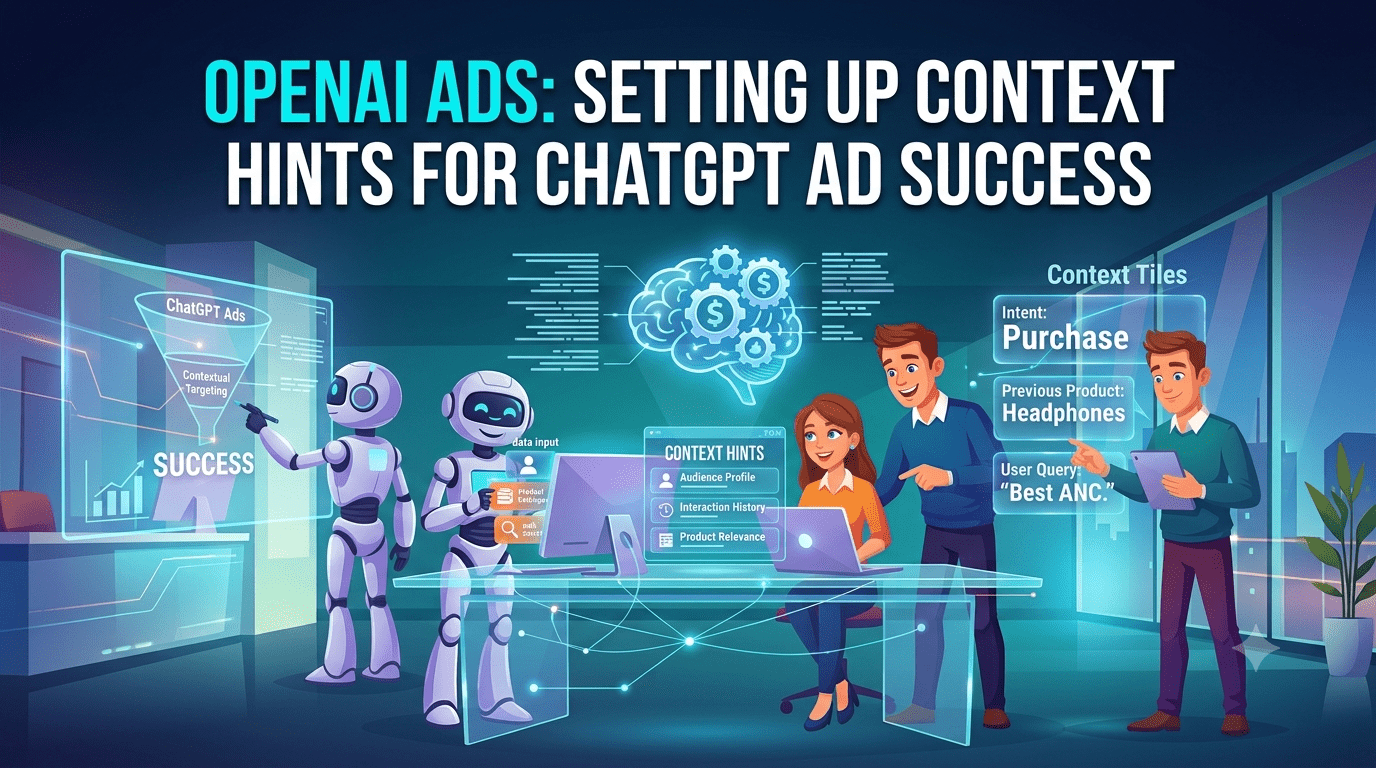
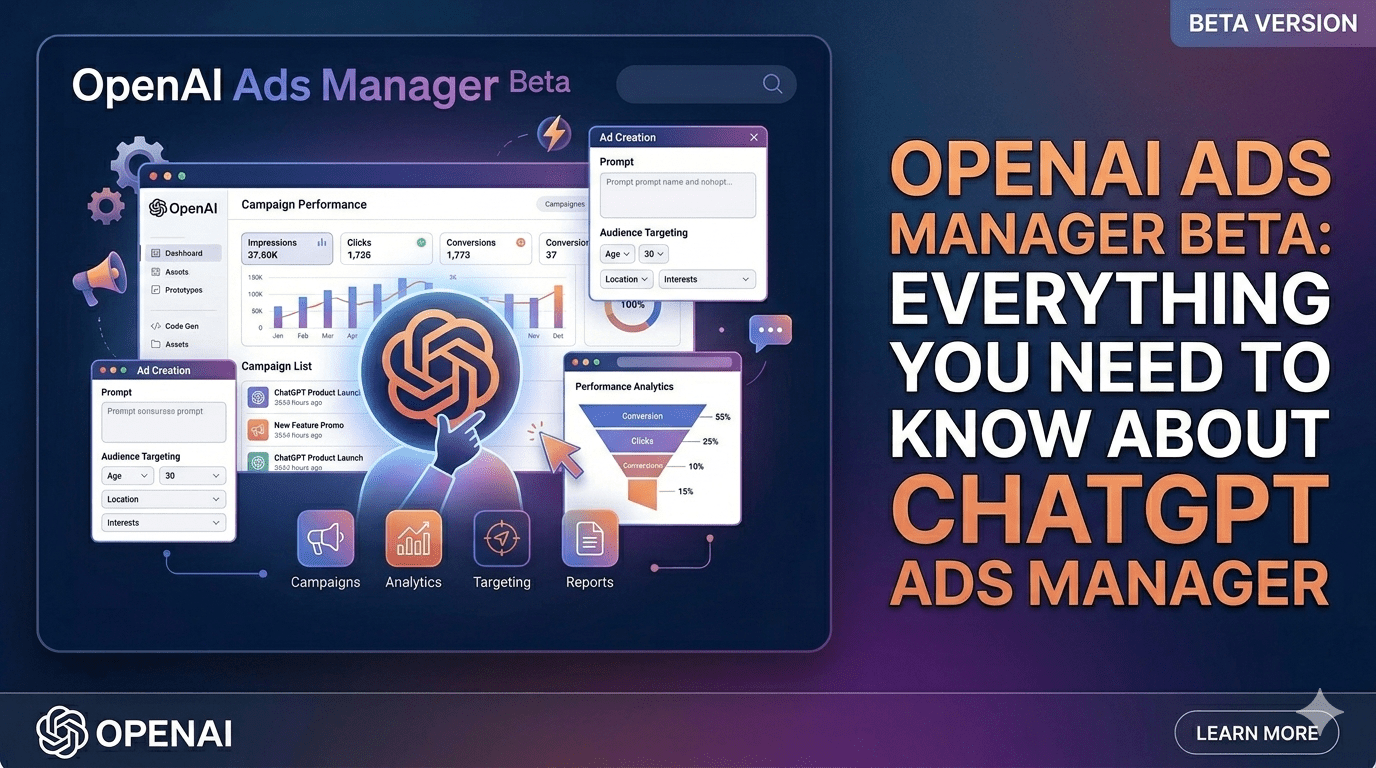
The integration of ads to ChatGPT involves strategically placing paid ads within the natural flow of ChatGPT’s responses. These ads will be clearly labeled to maintain transparency and user trust. The goal is to deliver relevant advertising content without disrupting the user experience, ensuring that the ads won’t feel intrusive.

The Role of OpenAI in ChatGPT Advertising

OpenAI, under the leadership of CEO Sam Altman, plays a pivotal role in shaping the future of ChatGPT advertising. OpenAI CEO Sam Altman and his team are responsible for setting the guidelines and standards for ads on ChatGPT, ensuring they align with the platform’s overall mission and values. This involves careful consideration of user privacy.

Types of Ads in ChatGPT

ChatGPT Ad Formats

The specific ad formats that will appear in ChatGPT are still under development, but they are expected to include a variety of options such as text-based ads, sponsored content, and potentially even interactive ads. The goal is to create ad formats that seamlessly integrate into the conversations with ChatGPT and enhance user engagement.

Comparing Ads in ChatGPT to Google Ads

While Google Ads primarily target users based on search queries and website visits, ads in ChatGPT can leverage the context of the conversations with ChatGPT to deliver more relevant and personalized advertising content. This approach offers advertisers a unique opportunity to engage with users in a more meaningful and interactive way compared to traditional Google Ads.

Examples of Ads That Could Appear in ChatGPT

Imagine asking ChatGPT for recommendations on the best travel destinations. In response, ChatGPT’s might provide a list of destinations along with a clearly labeled ads will be clearly labeled for a travel agency offering tours to those locations. Or, if a user is seeking advice on home improvement, ads on ChatGPT could present relevant products or services from local hardware stores.

Benefits of ChatGPT Advertising

Targeted Advertising Opportunities

One of the significant advantages of ChatGPT advertising is the ability to deliver highly targeted ads on ChatGPT based on user interactions and the context of the conversations with ChatGPT. By analyzing the time spent in ChatGPT and the nature of user queries, advertiser can create ads that resonate with specific interests and needs. This personalization ensures that ads won’t feel generic.

Enhanced User Engagement with AI

ChatGPT offers a unique platform for enhancing user engagement through interactive ads. Unlike traditional display ads, ads in ChatGPT can be designed to respond to user queries and provide relevant information, creating a more engaging and valuable experience. This interactive approach can significantly improve ads click-through rates and overall campaign performance.

Scalable Marketing Solutions for Businesses

For businesses looking to scale their marketing efforts, ads to ChatGPT provide a scalable solution that can reach a wide audience. As ChatGPT continues to grow and attract more users, the potential reach for advertiser expands, making it an attractive option for businesses of all sizes. This scalability ensures that marketing campaigns can adapt and grow.

Challenges and Considerations

Potential User Reactions to Ads in ChatGPT

One of the key challenges in implementing ads to ChatGPT is managing potential user reactions. Some users may find ads on ChatGPT disruptive or intrusive, especially if they are not relevant or well-integrated into the conversations with ChatGPT. It’s crucial for OpenAI and advertiser to prioritize user experience and ensure that ads are delivered in a non-intrusive manner.

Maintaining User Trust and Experience

Maintaining user trust is paramount when introducing ads into ChatGPT. Users need to be confident that the AI platform is providing unbiased and objective information. Ads will be clearly labeled and transparent to avoid any perception of manipulation. OpenAI CEO Sam Altman and his team must ensure that advertising practices align with the platform’s core values of integrity and trustworthiness.

Compliance and Ethical Considerations

As OpenAI start testing ads, it is essential to address compliance and ethical considerations related to data privacy and advertising standards. OpenAI must ensure that data used for ads adheres to all relevant regulations and guidelines, such as GDPR and CCPA. Additionally, ads should be free from bias and discrimination, promoting ethical advertising practices within the AI ecosystem as OpenAI looks to begin testing ads.

Partnering with The AD Leaf for ChatGPT Advertising

Why Choose The AD Leaf?

Choosing The AD Leaf as your partner for ChatGPT advertising means gaining access to a team of experts who understand the intricacies of both marketing and AI technology. We stay ahead of the curve, ensuring our clients are among the first to leverage new advertising opportunities like ads to ChatGPT. Our data-driven approach ensures maximum personalization.

Our Approach to ChatGPT Advertising

Our approach to ads in ChatGPT begins with a deep understanding of your business goals and target audience. We then develop a customized ChatGPT ad strategy that leverages the unique capabilities of conversations with ChatGPT to deliver highly targeted and engaging ads on ChatGPT. We focus on creating ad formats that feel natural and non-intrusive.

Success Stories and Case Studies

While ChatGPT advertising is still in its early stages, The AD Leaf is actively exploring and experimenting with the platform to uncover its full potential. As OpenAI start testing ads, we will be closely monitoring the results and developing case studies to showcase successful campaigns. We are committed to delivering measurable results.

Frequently Asked Questions (FAQ) | The AD Leaf Marketing Firm

Here are some frequently asked questions regarding the new ads to ChatGPT.

When will OpenAI start testing ads in ChatGPT?

OpenAI plans to begin testing ads in ChatGPT in the coming weeks.

Will the free and go tiers of ChatGPT include ads?

Yes, it is expected that the free and go tiers of ChatGPT will include ads to support the platform’s operational costs.

Will subscriptions will not include ads?

Users who opt for premium subscriptions will not include ads will likely have an ad-free experience on ChatGPT.

How will ads on ChatGPT be clearly labeled?

All ads will be clearly labeled to distinguish them from organic content and ensure transparency for users.

What type of data used for ads will be available to advertiser?

Advertisers will have access to aggregate and anonymized data used for ads to measure the performance of their campaigns and optimize their targeting strategies.

How will ads impact the user experience on ChatGPT?

OpenAI is committed to ensuring that ads on ChatGPT do not disrupt the user experience and are delivered in a relevant and non-intrusive manner.

What are the key features of ads in ChatGPT?

Here’s a look at some of the key features of ads in ChatGPT. These features are designed to enhance the user experience while providing value to advertisers:

  • Highly targeted ads, personalized content based on user interactions.
  • Interactive ad formats to increase user engagement.

Ads will be clearly labeled to maintain transparency, and advertisers will have access to data used for ads to optimize their campaigns.

How does ChatGPT advertising compare to traditional methods?

ChatGPT advertising offers a more conversational and interactive approach compared to traditional methods like Google Ads. Instead of relying solely on keywords, ads in ChatGPT can leverage the context of the conversations with ChatGPT to deliver more relevant and engaging content. This can lead to higher click-through rates and better ROI.

What should businesses consider before using ChatGPT for ads?

Before using ads to ChatGPT, businesses should consider their target audience, advertising goals, and budget. It’s also important to understand the platform’s advertising policies and ensure that ads are clearly labeled and non-intrusive. Additionally, businesses should be prepared to monitor and optimize their campaigns based on performance data.

Can small businesses benefit from ChatGPT advertising?

Yes, small businesses can benefit from ChatGPT advertising by leveraging its targeted advertising capabilities to reach a niche audience. The platform’s personalization features allow small businesses to create ads that resonate with potential customers. Even small businesses can start to test ads when OpenAI begin testing ads.

How do I get started with ChatGPT advertising?

To get started with ChatGPT advertising, businesses should first research the platform and its advertising options. Then, they can develop a customized advertising strategy based on their goals and budget. As OpenAI begin testing ads, businesses can partner with The AD Leaf to navigate the complexities of the platform.

What metrics can I use to measure success in ChatGPT advertising?

Key metrics for measuring success in ChatGPT advertising are varied and crucial for optimization. These include:

  • Click-through rates (CTR)
  • Conversion rates
  • Engagement metrics
  • Overall return on investment (ROI)

Analyzing these metrics can help advertiser optimize their campaigns and achieve their advertising goals as OpenAI looks to start testing ads.

Increase your lead generation with The AD Leaf

Lead Generation Services for Small Business

Lead Generation Services for Small Business: Call & Close Your Own Leads

Small businesses must employ effective lead generation strategies to thrive. The ability to generate leads, nurture them, and convert them into loyal customers is essential for growth. This article delves into lead generation services tailored for small businesses, examining the best strategies, tools, and techniques to help you call and close your own leads.

What Are the Best Lead Generation Strategies for Small Business?

How to Identify High-Quality Leads?

Identifying high-quality leads is a cornerstone of successful lead generation for small businesses. The first step is understanding your ideal customer profile, which includes demographics, interests, and behaviors that best align with your product or service. Utilize lead generation tools that offer insights into potential customers, allowing you to filter and target leads effectively. High-quality leads are often characterized by their engagement with your brand, their readiness to purchase, and their fit within your market segment. By analyzing past sales data and customer interactions, you can establish criteria that define a qualified lead, thus streamlining your lead generation process.

What Makes a Good Lead Generation Company?

A good lead generation company can significantly boost your lead generation efforts. Look for firms that specialize in B2B lead generation services, as they are well-versed in the nuances of targeting businesses. A reputable lead generation agency should offer a variety of lead generation strategies, including both inbound and outbound marketing tactics. They should provide transparent reporting on their lead generation campaigns, showcasing their ability to generate leads that align with your business needs. Additionally, effective lead generation companies leverage advanced technologies and data analytics to enhance lead quality, ensuring you receive the best leads for your business.

Effective Lead Generation Tools for Small Businesses

Utilizing effective lead generation tools is essential for small businesses aiming to enhance their lead generation campaigns. There are numerous platforms available that can help streamline the lead capture process, from CRM systems that manage lead data to SaaS solutions that automate marketing efforts. Email marketing tools can facilitate targeted campaigns, enabling businesses to reach prospective customers with tailored messages. Moreover, social media marketing tools allow for the engagement and nurturing of leads through various channels, creating a holistic lead generation strategy. The integration of these tools into your lead management process can significantly improve the efficiency and effectiveness of your lead generation efforts.

How Can Lead Generation Services Help My Small Business?

Understanding Lead Generation Services

Lead generation services are designed to help businesses identify and attract potential customers. For small businesses, these services can be transformative, providing access to valuable B2B data and insights that might otherwise be unavailable. Through a combination of lead research, targeted campaigns, and nurturing strategies, these services can help small businesses generate more leads and convert them into sales. Understanding the various aspects of lead generation services can empower small business owners to make informed decisions about which services best align with their goals.

Benefits of B2B Lead Generation for Small Businesses

B2B lead generation offers numerous benefits for small businesses looking to expand their reach and increase sales. By focusing on qualified leads, businesses can ensure that their sales team spends time on prospects that are more likely to convert. This targeted approach not only saves time but also enhances the efficiency of sales and marketing efforts. Additionally, leveraging lead generation services can reduce the overall cost per lead, providing a higher return on investment. The ability to nurture leads through personalized communication and tailored campaigns can further improve lead conversion rates, making B2B lead generation an invaluable strategy for small businesses.

How to Choose the Right Lead Generation Company?

Choosing the right lead generation company is crucial for the success of your lead generation efforts. Start by evaluating potential vendors based on their experience and expertise in your industry. Look for lead generation companies that offer customized solutions tailored to your specific business needs. Additionally, consider the tools and technologies they employ, as well as their methods for tracking and reporting lead generation data. A good lead generation company should also be transparent about their pricing structure and the expected results from their campaigns. By carefully selecting a partner that aligns with your goals, you can boost your lead generation and ultimately drive growth for your small business.

What Are the Top Lead Generation Techniques for Small Businesses?

Using Email Marketing for Lead Generation

Email marketing remains one of the best ways to generate leads for small businesses. By creating engaging and informative email campaigns, businesses can nurture relationships with potential customers. Segmenting your email list based on customer behavior and interests allows for targeted messaging that resonates with recipients. Utilizing lead capture forms on your website can help you gather contact details from interested visitors, enabling you to build a robust email list. Additionally, offering free trials or exclusive content in exchange for email addresses can incentivize potential customers to engage with your brand.

How Social Media Marketing Can Generate More Leads

Social media marketing is an effective strategy for generating leads, particularly for small businesses looking to increase their visibility. Platforms like Facebook, LinkedIn, and Instagram allow businesses to reach a broad audience and engage with potential customers directly. By creating compelling content and utilizing advertising options, businesses can target specific demographics and drive traffic to their lead capture forms. Regularly sharing valuable insights, industry news, and promotional offers can also encourage engagement and foster relationships that lead to conversions. In today’s digital landscape, a robust social media presence is essential for effective lead generation.

Content Marketing as a Lead Generation Strategy

Content marketing is a powerful lead generation strategy that allows small businesses to establish thought leadership and build trust with potential customers. By producing high-quality, informative content—such as blog posts, white papers, and videos—businesses can attract visitors to their website and encourage lead capture. Tailoring content to address the pain points and interests of your target audience can significantly enhance engagement and lead generation efforts. Additionally, optimizing content for SEO can improve visibility in search engines, driving organic traffic and generating more leads over time.

How to Nurture and Convert Leads Effectively?

Lead Nurturing Best Practices

Lead nurturing is essential for converting potential customers into loyal clients. Implementing lead nurturing best practices involves creating a structured approach to engage leads throughout their buying journey. Regularly communicating with leads through personalized emails, informative content, and follow-up calls can keep your business top-of-mind. Utilizing automation tools can also help streamline this process, ensuring timely interactions without overwhelming your sales team. By providing valuable insights and addressing potential objections, you can build trust and increase the likelihood of lead conversion.

Integrating CRM for Lead Management

Integrating a CRM system into your lead management process is vital for effectively nurturing leads. A CRM allows businesses to track interactions with leads, manage contact details, and analyze engagement data. By centralizing lead information, your sales team can tailor their communication and follow-up strategies based on individual lead behaviors and preferences. This targeted approach enhances the lead conversion process, as sales representatives can engage leads with relevant information at the right time, significantly improving the chances of closing sales.

Tailoring Campaigns to Potential Customers

Tailoring your marketing campaigns to potential customers is crucial for effective lead generation and conversion. By analyzing lead data and understanding customer preferences, small businesses can create targeted campaigns that resonate with their audience. This could involve customizing messaging, promotional offers, and content based on the unique needs and challenges of different segments. By delivering personalized experiences, businesses can foster deeper connections with leads, increasing the likelihood of conversion and long-term customer loyalty.

What Are the Costs Associated with Lead Generation Services?

Understanding Cost Per Lead

Understanding the cost per lead (CPL) is essential for evaluating the effectiveness of your lead generation efforts. CPL refers to the total cost incurred in generating a single lead and can vary significantly based on the lead generation strategies employed. Factors such as advertising expenses, software costs, and personnel hours all contribute to this metric. By analyzing CPL in conjunction with lead quality and conversion rates, small businesses can assess the efficiency of their lead generation campaigns and make informed budgeting decisions.

Evaluating ROI on Lead Generation Efforts

Evaluating the return on investment (ROI) for lead generation efforts is critical for understanding the financial impact of your marketing initiatives. To calculate ROI, businesses must consider the revenue generated from converted leads against the costs associated with lead generation. By establishing clear metrics and tracking performance over time, small businesses can identify which strategies yield the best results. This insight allows for data-driven decisions regarding budget allocation and future lead generation campaigns, ensuring a focus on high-performing tactics.

Balancing Budget and Lead Quality

Balancing budget constraints with the desire for high-quality leads is a common challenge for small businesses. While it may be tempting to cut costs by opting for lower-priced lead generation services, this can often result in lower-quality leads that are less likely to convert. Instead, small businesses should prioritize investing in effective lead generation strategies that align with their financial capabilities while ensuring the lead quality meets their standards. This may involve a combination of in-house efforts and outsourcing to a reputable lead generation agency, thus maintaining a balance that supports sustainable growth.

Frequently Asked Questions – The AD Leaf

Q: What are the best ways to generate qualified leads for my small business?

A: Some of the best ways to generate qualified leads include utilizing search engine optimization (SEO) to improve your website’s visibility, implementing a lead generation platform that captures visitor information, and using tools like live chat to engage potential leads in real-time. Additionally, employing effective marketing strategies can help convert visitors into leads.

Q: How can I identify potential leads that fit my ideal customer profile?

A: You can identify potential leads that fit your ideal customer profile by analyzing data from your existing customers, segmenting your audience based on demographics and behaviors, and using lead scoring techniques to prioritize leads based on their likelihood to convert. This helps ensure your sales reps focus on high-quality leads.

Q: What role does demand generation play in lead generation services?

A: Demand generation plays a crucial role in lead generation services as it focuses on creating awareness and interest in your products and services. By effectively promoting your offerings, you can attract potential leads and guide them through the sales process until they’re more likely to become paying customers.

Q: How can local businesses effectively generate new leads?

A: Local businesses can effectively generate new leads by optimizing their online presence through local SEO, engaging in community events, utilizing social media platforms for outreach, and offering promotions that encourage visitors to provide their contact information. These strategies help increase visibility and attract local customers.

Q: What is the significance of lead scoring in the lead generation process?

A: Lead scoring is significant in the lead generation process as it helps sales and marketing teams prioritize leads based on their engagement level and likelihood to convert. By assigning scores to leads based on their interactions with your brand, you can focus your efforts on those who are closer to making a purchase.

Q: Can using a lead generation vendor improve my lead gen efforts?

A: Yes, using a lead generation vendor can improve your lead gen efforts by providing access to advanced tools and methodologies that may not be available in-house. These vendors often have expertise in different lead generation methods and can help streamline your sales pipeline, resulting in more qualified leads.

Q: What tools like Google can help in the lead generation process?

A: Tools like Google Ads can help in the lead generation process by enabling targeted advertising to reach potential leads who are searching for products and services similar to yours. Additionally, Google Analytics can provide insights into visitor behavior on your website, helping you optimize your lead generation strategies.

Q: How can I convert leads into customers effectively?

A: To convert leads into customers effectively, it is essential to follow a structured sales process that includes nurturing leads through personalized communication, providing valuable content, and addressing any objections they may have. Using a lead generation platform can also help track interactions and tailor your approach based on lead behavior.

Q: What is the expiration date for leads, and how can I manage it?

A: Leads can have an expiration date based on their engagement levels and timing in the sales process. Managing this involves regularly reviewing your leads, following up promptly, and using lead scoring to determine which leads may need more immediate attention. This helps ensure that you are focusing on leads that are still interested and likely to convert.

Facebook Ads For February

Crafting Effective Facebook Ads for February

Cupid’s Arrow – Targeting the Right Audience: Crafting Effective Facebook Ads for February

February, often associated with love, is the perfect opportunity for businesses to leverage Facebook Ads and connect with their target audience. While traditionally considered the month for romantic gestures, love is a universal theme that applies to various aspects of life, including business. February allows brands to connect emotionally with consumers by promoting self-love, care, and love for your brand. Through Facebook Ads, businesses can engage their target audience in ways that foster deeper connections, enhance customer loyalty, and increase revenue.

With over 2.8 billion active users globally, Facebook is one of the most effective platforms for reaching potential customers. However, successful advertising doesn’t just come from reaching large audiences—it’s about targeting the right people with the right message. This is where Facebook Ads excel. By utilizing the platform’s powerful targeting features and crafting emotional, compelling ads, brands can strengthen their relationships with current customers and attract new ones. In this blog, we’ll explore how businesses can tap into the themes of love and connection in February through Facebook Ads and how they can use the platform to increase brand awareness and drive meaningful engagement.

Targeting the Right Audience with Facebook Ads

Facebook Ads offer one of the most powerful targeting tools for businesses. With its extensive audience segmentation capabilities, businesses can precisely define who they want to reach based on demographics, interests, behaviors, and even life events. In February, you can craft campaigns that tap into various aspects of love—romantic relationships, family bonds, or even self-care—and target individuals who resonate with those themes.

Take, for example, a company that sells wellness products. You can target users interested in self-care, fitness, or relaxation and show them how your product can enhance their wellness journey. Similarly, a restaurant can target couples or individuals interested in Valentine’s Day celebrations and promote special offers or events. Businesses can even extend their reach to people celebrating anniversaries or recently engaged.

By focusing on specific audience segments, your brand can create messages that speak directly to the emotions and desires of each group. Facebook Ads allow you to precisely define your target audience—ensuring that your messages are received by those most likely to engage with your business.

Leveraging Emotional Appeal in February

Emotion plays a huge role in marketing, especially in February. The idea of love—whether romantic or self-love—can be a powerful motivator for customers to engage with a brand. Emotional connections are a key factor in consumer loyalty, with 75% of consumers stating that they are more likely to purchase from a brand they feel emotionally connected to (source: Harvard Business Review).

For businesses, February offers an opportunity to capitalize on these emotions by crafting ads emphasizing love in its many forms. Whether promoting a product for couples, self-care items, or an experience that nurtures relationships, emotional marketing can connect your brand with consumers on a deeper level.

Consider an ad for a beauty brand that promotes skincare as an act of self-love. Instead of simply saying, “Buy this face mask,” the ad could focus on the emotional benefits of taking care of oneself: “Indulge in the love you deserve this February with our luxurious skincare collection.” This subtle emotional appeal makes the consumer feel like they are investing in their well-being, which can increase the likelihood of a purchase.

Similarly, for a restaurant or travel service, you can craft ads highlighting how your product or service will enhance a romantic evening or getaway. “Celebrate your love with a luxurious dinner experience this February” appeals directly to couples seeking a memorable date night.

Crafting Ads that Tell a Story

Storytelling is one of the most effective techniques in advertising. It’s no longer enough to showcase a product simply—consumers want to understand its story. By telling a story in your Facebook Ads, you allow potential customers to envision how your product or service will fit into their lives, creating an emotional connection.

For example, instead of just displaying a picture of a piece of jewelry with a “Shop Now” button, you could share a story of a couple celebrating an anniversary or an engagement. The ad could describe the meaningful gesture of giving a gift to symbolize love and commitment, subtly tying your product into this emotional moment.

For a wedding planning business, you can create an ad that follows the journey of a couple preparing for their wedding. From choosing the venue to selecting their dream decor, the ad could highlight how your service helps couples especially celebrate their love. Storytelling grabs attention and encourages engagement, as people are more likely to share content that resonates with them.

Creating High-Quality Ads for Maximum Impact

Once you have the emotional appeal and storytelling elements down, it’s crucial to focus on the visual aspect of your Facebook Ads. Your imagery should align with your messaging and evoke the right emotions. Colors such as red and pink, traditionally linked to love and romance, can effectively convey the message of affection. Soft, calming colors can also work well for ads emphasizing self-care, relaxation, or wellness.

Visuals should not only be eye-catching but also high-quality. A clear, well-composed image or video of your product in use is far more likely to grab attention than a low-resolution image. Additionally, your ad copy should be concise yet impactful. Use strong, action-oriented language to encourage users to take action. For example, “Treat yourself to a rejuvenating experience this February” is a call to action that inspires the user to engage.

Finally, it’s essential to maintain consistency in your brand’s visual identity. Ensure that your Facebook Ads align with your brand’s overall look and feel so your audience immediately recognizes your business.

Maximizing Engagement with Facebook Ads

Facebook Ads are a fantastic way to drive engagement, but measuring your results to understand what’s working and what isn’t is important. By monitoring key performance indicators (KPIs) such as clicks, impressions, and conversion rates, you can refine your ads to improve performance.

Testing different variations of your ad—the image, headline, or call to action—can help you identify the most effective combination. Additionally, experimenting with different audience segments allows you to find the best demographic fit for your ads.

Engagement also extends beyond clicks. Encouraging user-generated content (UGC) can foster community around your brand. You can ask customers to share their love stories or special moments with your product and feature them on your social media channels or ads. UGC builds brand loyalty and provides social proof that can increase trust in your brand.

Facebook Ads allow businesses to target the right audience with emotional and engaging content. February is the perfect time to tap into the themes of love, connection, and self-care, using emotional marketing to connect with customers and build lasting relationships. By crafting ads that speak to the desires and feelings of your audience, businesses can foster deeper connections and increase their brand’s visibility.

Whether you’re targeting couples, individuals seeking self-care, or celebrating milestones, Facebook Ads allow you to create meaningful interactions beyond just making a sale. With the right messaging, visuals, and audience targeting, your brand can build stronger customer relationships and foster brand loyalty.

Why The AD Leaf?

At The AD Leaf, we understand that emotional marketing is key to building lasting customer relationships. Our team of digital marketing experts knows how to craft Facebook Ads that resonate deeply with your audience, ensuring your message is heard and felt. With our expertise in emotional storytelling, precision targeting, and high-quality ad creation, we help businesses connect with their customers in authentic ways. Let us help you create campaigns that spark love—and loyalty—for your brand this February.

Airport Marketing Agency

Airport Marketing Agency

Driving Passenger Engagement: What an Airport Marketing Agency Can Do for You

In the fast-paced world of aviation, airports are not just transit points; they are vital hubs that connect people and places. As the travel industry evolves, airport marketing agencies have emerged as essential partners in helping airports navigate the complexities of attracting travelers and enhancing their overall experience. This blog post will explore the role of an airport marketing agency, the services they provide, and the benefits they bring to airports.

The Role of Airport Marketing Agencies

Airport marketing agencies specialize in promoting airports and their services. They understand the unique dynamics of the aviation industry and can tailor marketing strategies to meet the needs of both travelers and airport operators. Here are some key functions these agencies perform:

  • Brand Development: Creating a strong brand identity for the airport that resonates with travelers and stakeholders.
  • Digital Marketing: Implementing SEO strategies, managing social media channels, and optimizing airport websites to enhance online visibility and engagement.
  • Destination Marketing: Promoting the airport as a gateway to local attractions, encouraging travelers to explore the surrounding area.
  • Event Marketing: Organizing events that showcase the airport’s facilities and services, fostering community engagement.

Services Offered by Airport Marketing Agencies

Airport marketing agencies provide a range of services tailored to the aviation sector. Some of the most common services include:

  1. Market Research: Conducting studies to understand traveler preferences and market trends, which inform marketing strategies.
  2. Content Creation: Developing engaging content for websites, social media, and promotional materials to attract and inform travelers.
  3. Advertising Campaigns: Designing and executing targeted advertising campaigns across various platforms to reach potential travelers effectively.
  4. Public Relations: Managing the airport’s public image and communications, especially during crises or significant changes.
  5. Analytics and Reporting: Providing insights into the effectiveness of marketing efforts through data analysis and reporting.

Benefits of Partnering with an Airport Marketing Agency

Collaborating with an airport marketing agency offers numerous advantages:

  • Expertise and Experience: Agencies bring specialized knowledge and experience in aviation marketing, ensuring that strategies are effective and relevant.
  • Cost-Effectiveness: By outsourcing marketing efforts, airports can save on the costs associated with hiring and training in-house staff.
  • Focus on Core Operations: Airports can concentrate on their primary operations while leaving marketing to the experts.
  • Enhanced Visibility: With targeted marketing strategies, airports can increase their visibility and attract more travelers.

How The AD Leaf Helped Melbourne Orlando International Airport

The AD Leaf is proud to be working with Melbourne Orlando International Airport to drive brand awareness and growth. Key goals were driving airline ticket purchases by generating interest and overcoming objections, supporting existing routes and demonstrating the airport’s commitment to airline success, and enticing airlines to add new routes and increase frequency to attract more customers.

We worked closely with the client to implement a comprehensive marketing strategy, including:

  • Conducting a brand awareness survey to establish baseline and assess perceptions
  • Measuring baseline website metrics to allow us to measure success
  • Managing two social platforms to keep a consistent flow of creative content
  • Running a successful campaign promoting the American Airlines route to Ronald Reagan Washington National Airport in Washington DC
  • Running a comprehensive awareness campaign

We started our campaign in November 2023. By the end of April 2024, the results were fantastic.

  • Visitors to MLBAir.com increased by 25% quarter-over-quarter
  • Our marketing efforts directly drove 13% of all website visitors 
  • Our campaigns were attributed to over 4,000 clicks to book a ticket

We also helped grow the airport’s social media presence and drive that traffic back to their website.

  • We increased the airport’s follower count by more than 1,800, representing a nearly 9% increase
  • Social media drove nearly 12,000 website visits

We’re proud of what we’ve accomplished with Melbourne Orlando International Airport so far, and we’re so excited to watch them grow.

Why The AD Leaf

In a competitive landscape, airport marketing agencies play a crucial role in helping airports thrive. By leveraging their expertise, airports can enhance their marketing efforts, attract more travelers, and ultimately grow their business. As the travel industry continues to evolve and customers have more options available to them, maintaining engaging relationships between airports and passengers will be more important than ever.

At The AD Leaf Marketing Firm, we help businesses all over the country build and maintain their audiences through effective SEO, engaging content, steady social media touchpoints, and more. We’re a full service marketing agency equipped to help just about any business, from a local plumber to a regional airport and beyond. Get in touch with one of our marketing consultants to see how we can help grow your business today.

Personalized Advertising

Advertising Trend: Ads Are Becoming More Personalized

Advertising Trend: Ads Are Becoming More Personalized 

As advertising changes, a clear trend is emerging – the rise of personalized ads. This move toward tailored messages and custom content is not just a passing trend but a smart strategy to build deeper connections with consumers. Using advanced algorithms and user data, companies can now create ads that match individual preferences and behaviors. This focus on personalization is a shift from the traditional one-size-fits-all approach, showing a commitment to delivering more relevant and engaging interactions. By exploring this trend, businesses have a great chance to strengthen brand connections and drive meaningful engagement with their target audiences.

Key Takeaways:

  • Instagram is improving content and ad personalization features to enhance user experience and engagement.
  • Personalized advertising offers benefits like improved relevance for users, higher ROI for advertisers, and better engagement rates.
  • Consumers prefer personalized ads over irrelevant ones because they make online shopping faster and help discover new products.
  • Using consumer information responsibly in ads is crucial for maintaining high engagement rates and ensuring tailored experiences.

Instagram’s Enhanced Personalization Features

Instagram’s new personalization features are changing how advertisers connect with users by tailoring content and ads to individual interests. Focusing on customized content strategies to enhance user experience has become a key goal for marketers looking to boost engagement and conversions. By using data insights to deliver more relevant and personalized ads, companies can create a more immersive and tailored experience for their target audience. These customized strategies not only improve user satisfaction but also increase the chances of turning leads into customers. With Instagram’s new updates, brands can connect with users on a deeper level, leading to higher engagement rates and a better return on investment.

Benefits of Personalized Advertising

With the rise of personalized advertising on social media platforms like Instagram, businesses are seeing big benefits from tailored marketing strategies. Custom messages help companies connect with their target audience on a more personal level, making ads more relevant and boosting ROI. Targeted campaigns based on user behavior and preferences capture consumers’ attention better than generic ads. By using data to deliver personalized content, companies like Google show how tailored experiences can drive engagement and click-through rates. Overall, personalized advertising is key to providing consumers with a smoother and more relevant online shopping experience.

Importance of User Personalization

Personalized user experiences are crucial for improving engagement and conversion rates in digital marketing.

  • Personalized recommendations: Tailoring ads to user preferences greatly enhances relevance.
  • User customization: Allowing users to personalize their experience creates a sense of ownership.
  • Tailored marketing: Creating campaigns specific to individual behaviors boosts engagement.
  • Customized experiences: Providing unique interactions based on user data increases satisfaction and loyalty.

Leveraging Data for Targeted Ads

How can data-driven insights improve targeted advertising strategies in digital marketing?

Data-driven targeting helps create customized marketing strategies that resonate with specific audiences, leading to higher engagement and conversion rates. By using data analytics, marketers can better understand consumer behavior, preferences, and purchase patterns, enabling them to deliver more relevant and impactful ads. This targeted approach not only improves the overall user experience but also maximizes the return on investment for advertisers. The table below shows the key benefits of data-driven targeting and customized marketing strategies:

Benefits Data-Driven Targeting Customized Marketing Strategies
Enhanced Relevance Tailored ads based on user data for increased relevance Personalized content that resonates with specific audiences
Improved Engagement Higher engagement rates due to targeted messaging Increased interaction and response rates
Increased Conversions More conversions from highly targeted ads Better conversion rates through personalized communication

Consumer Preference for Personalized Ads

Clearly, consumer preference for personalized ads is shaping the future of advertising strategies and user engagement.

Consumers Prefer Relevance:

  • 71% of consumers favor personalized ads over irrelevant ones.
  • Personalized ads improve user experience by reducing irrelevant advertising and helping consumers discover new products.
  • Personalized ads make online shopping faster and easier for consumers.
  • Responsible use of information in ads is crucial for maintaining high engagement rates.

As digital marketing evolves, targeted marketing based on consumer preferences remains key to enhancing engagement and driving results. By delivering personalized content, businesses can effectively capture their target audience’s attention and boost ROI.

Maximizing Engagement With Personalization In digital marketing, using personalized advertising to maximize engagement is crucial for businesses aiming to connect with their audience and achieve significant results. Personalization strategies create customized experiences that resonate deeply with consumers, leading to increased interaction and brand loyalty. By tailoring content based on user preferences, behaviors, and demographics, companies can build stronger connections that result in higher engagement. Customized experiences not only improve user satisfaction but also increase the likelihood of conversions and long-term customer relationships. Effectively using personalization techniques can set businesses apart in a competitive market by delivering relevant and engaging content that speaks directly to individual needs and interests.

Why The AD Leaf

Our team of experts, along with their advanced tools and analytics, can help increase your brand’s visibility and provide valuable insights. By taking care of tasks like content creation, scheduling, and engagement monitoring, they save you time and resources. They also have the expertise to effectively reach your target audience and maintain consistent branding across different platforms. With their data-driven approach, you can expect measurable results and successfully achieve your business goals.

Frequently Asked Questions

How Does Instagram’s Enhanced Personalization Features Impact User Data Privacy and Security?

Enhanced personalization features on Instagram raise concerns about user data privacy and security. User consent is pivotal in leveraging data for personalization, ensuring transparency. Implementing robust data encryption protocols is crucial for safeguarding sensitive information and maintaining user trust.

What Are Some Potential Challenges That Advertisers May Face When Implementing Personalized Advertising Strategies?

Implementing personalized advertising strategies may challenge advertisers in balancing data protection and consumer trust. Advertisers must navigate privacy concerns, ensure transparent data usage, and maintain ethical practices to build long-term trust with consumers while delivering targeted content effectively.

How Do Companies Like Google Ensure That the Data Used for Targeted Ads Is Accurate and Up-To-Date?

Companies like Google ensure data accuracy for targeted ads through robust data collection methods, continuous data verification processes, and sophisticated algorithms that analyze user behavior patterns. This meticulous approach enhances targeting effectiveness and maximizes the relevance of ads to users.

Are There Any Regulations or Guidelines in Place to Ensure Responsible Use of Consumer Information in Personalized Advertising?

Ethical considerations and data protection regulations, such as GDPR and CCPA, govern responsible use of consumer information in personalized advertising. Upholding consumer trust is crucial for effective marketing strategies, ensuring transparency and compliance.

How Can Businesses Measure the Effectiveness of Personalized Ads in Terms of ROI and User Engagement?

Measuring the effectiveness of personalized ads entails tracking user behavior to gauge ROI and engagement levels. Analyzing conversion rates, click-through rates, and customer interactions provides valuable insights for optimizing ad campaigns and enhancing user experiences.

Why Your Business Needs Content Marketing

Why Your Business Needs Content Marketing

Why Your Business Needs Content Marketing 

In the instantaneous and swiftly evolving world of marketing, content marketing remains a critical element of every corporation’s strategy. It forms the backbone of any marketing plan, aiming to attract consumers to a brand’s platform and engage and retain them. Quality content can effectively narrate the brand’s story, shaping public perception and solidifying the brand’s position in the market. A brand distinguishes itself through strategic content marketing, fostering trust, and building lasting relationships with its audience. When companies don’t know how to properly “tell their story,” they struggle to align themselves with potential customers. 

Thus, in this fast-paced digital age, content marketing emerges as a fundamental tool for bringing a brand to the forefront, ensuring its sustained relevance and success, and building a bond with its customers.

Why is Content Marketing Beneficial to You? 

Content marketing is an art that involves creating and sharing valuable, relevant, and consistent content to attract and retain a clearly defined audience — ultimately driving profitable customer action. It focuses on providing information or entertainment rather than selling a product or service outright. 

As the saying goes, “content is king,” and in this digital era, it holds more weight than ever before. With the rise of social media and online platforms, consumers are bombarded with endless daily content streams. Hence, brands must create high-quality, engaging content to cut through the noise and capture their audience’s attention. Whether through web content or email campaigns, content marketing keeps your audience engaged and coming back for more. It makes you the creator of your corporate destiny. 

How Does Content Marketing Help You Grow Your Business?

Collaboration forms an integral part of content marketing and can substantially contribute to the growth of your business. When different individuals or teams pool their unique skills, experiences, and perspectives, the result is often rich, diverse, and high-quality content that resonates with a broader audience. That begs the question, how does content grow your business? The answer is surprisingly simple. 

Content marketing 

  • Improves SEO efforts by increasing content visibility
  • Provide engaging, timely & relevant content for the target audience
  • It educates consumers about products or services 
  • Nurtures leads and facilitates the sales process

As a result, your brand becomes more visible online, increasing its reach and attracting new customers. Furthermore, by providing valuable information and building trust with your audience, you can turn them into loyal customers who will continue to support your brand and spread the word to others.

Content Marketing: Why Your Business Needs It

According to a Statista.com study, “The estimated number of bloggers is around 32 million as of 2022 in the United States alone. These are people of any age updating their blogs at least once per month.” This staggering statistic is a testament to the power of content marketing and its role in modern-day business growth. 

Moreover, with the rise of influencer marketing and user-generated content, businesses have even more opportunities to collaborate and create meaningful connections with their audience. Content marketing allows you to personally interact with your customers, understand their needs and preferences, and tailor your messaging. By showcasing genuine brand values and providing valuable content, you can establish a loyal customer base that will support your business for years to come.

Content marketing can increase visibility on search engines. It’s hard to rank for keywords without content, and content is king for SEO efforts. Plus, quality content can help establish you as a thought leader in your industry. 

Furthermore, with the increasing use of ad blockers and consumers becoming more skeptical of “traditional” advertising methods, content marketing provides an alternative way to reach and connect with your target audience without bombarding them with aggressive sales tactics. It allows you to build a relationship with your customers based on trust and mutual value and tailor messages that resonate with them specifically, leading to increased conversions.

With content marketing, you can keep your audience engaged and interested in your brand all year long by consistently providing valuable and relevant content. This helps to nurture leads and foster ongoing relationships with existing customers, leading to increased loyalty and retention.

Why Choose The AD Leaf®

At The AD Leaf®, we understand the challenges businesses face in their service industry and strive to provide services that bring visibility to our clients. We are a full-service agency offering digital marketing services, including search engine optimization (SEO), pay-per-click (PPC) advertising, social media management, website design and development, content creation, and more. Our experienced professionals will create a tailored strategy to help you reach your goals and grow your business. If you feel content marketing is needed, The AD Leaf is the company to take you to the next level. Try it out today!